Entry · Ref 2R1GIWOY
What should you ask before scheduling a home EV charger installation?
- Posted
- 2026-11-20
- Last amended
- 2026-11-20
- Account
- @theevcircuit
Start with the big question: is your home ready for a residential EV charger?
Before you call an electrician, it helps to understand what a residential EV charger actually needs. A Level 2 charger draws a fair amount of power, and your home's electrical system has to handle that load safely. The short answer is that most homes can support a dedicated circuit for EV charging, but the details matter. Asking the right questions early saves you time, money, and frustration down the road.
What kind of charger do you need?
There are two main types of chargers for home use: Level 1 and Level 2. A Level 1 charger plugs into a standard 120-volt outlet and adds only a few miles of range per hour. It works for some plug-in hybrids or very short commutes, but for most EV owners it is painfully slow. A Level 2 charger runs on 240 volts and can fully recharge a typical electric car overnight. That is the setup most people want, and it requires a dedicated circuit and a compatible charging cable.
Think about your driving habits and how often you need to charge. If you drive a lot each day or want the convenience of a full battery every morning, a Level 2 charger is the way to go. If you rarely drive far, a Level 1 might suffice, but you will still need a dedicated circuit if you plan to use it regularly. The charger itself can be hardwired or plug-in, and that choice affects installation complexity.
Is your electrical panel up to the task?
Your home's electrical panel is the heart of your electrical system. Adding a residential EV charger means adding a new circuit, and that circuit needs space in the panel. The panel must also have enough capacity to handle the extra load without tripping the main circuit breaker.
Check the amperage rating of your panel. Most modern homes have a 200-amp panel, which usually has room for an EV charger. Older homes might have a 100-amp or even 60-amp panel. If your panel is small or already full, you may need to upgrade it before installing a charger. That is a bigger project, but it is also an opportunity to bring your home's electrical system up to current code.
A load calculation is the only reliable way to know if your panel can handle a new dedicated circuit. An electrician will add up all the existing loads in your home, then see if there is enough headroom for the charger. This is not something you can guess; it requires professional assessment.
Where will the charger go?
Location matters more than you might think. The charger needs to be close enough to where you park your car so the charging cable reaches easily. That sounds obvious, but many people forget to measure the distance from the electrical panel to the parking spot. If the panel is in the basement and the garage is on the other side of the house, running conduit and wiring can add significant cost.
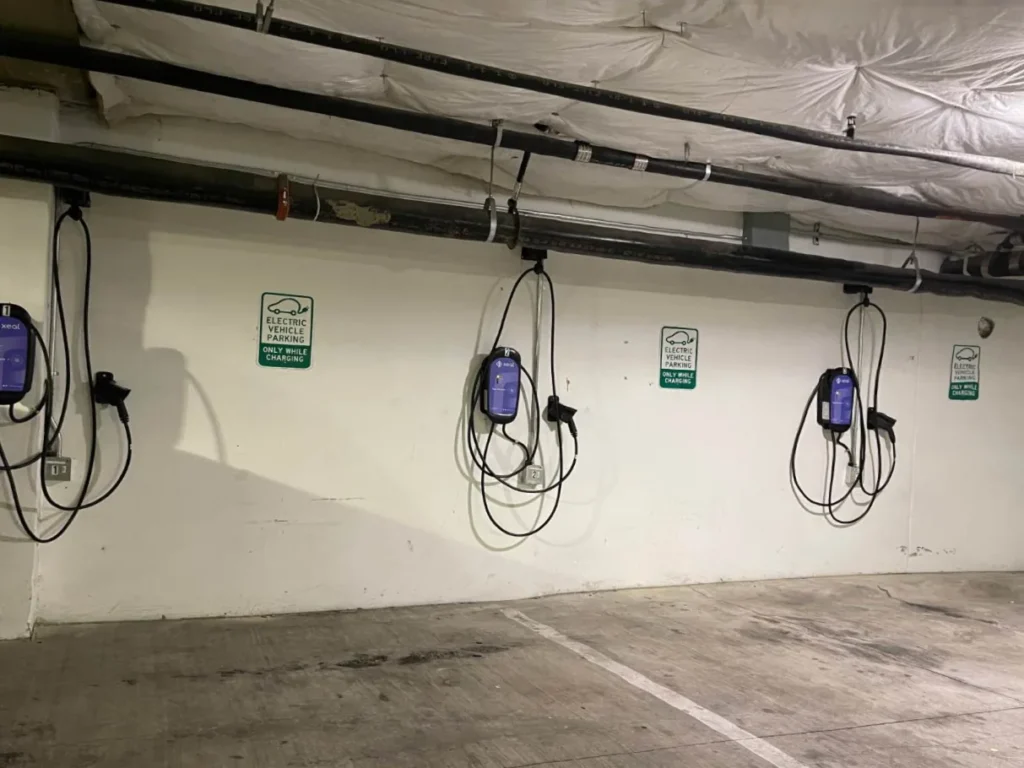
Think about whether you want the charger indoors or outdoors. Outdoor installations require weatherproof equipment and proper sealing to keep out moisture. Indoor installations are simpler but still need to follow local codes about clearance and mounting height. Also consider the cable management: do you want the cable to hang neatly or retract into the unit? Some chargers come with built-in cable organizers, while others need a separate hook or holster.
Another factor is future-proofing. If you plan to buy a second EV or replace your current car with a model that has a different charging port location, you might want a charger with a longer cable or a mounting position that works for multiple parking spots. It is easier to plan for that now than to move the charger later.
Do you need a dedicated circuit?
Yes, for a Level 2 charger you almost certainly need a dedicated circuit. That means the circuit breaker in your panel serves only the charger and nothing else. This is required by electrical code for good reason: EV charging is a continuous, high-load activity that can last for hours. Sharing a circuit with other appliances could overload the wiring and trip the breaker, or worse, cause overheating.
The size of the dedicated circuit depends on the charger's power rating. A typical Level 2 charger draws between 30 and 50 amps, so the circuit breaker and wiring must match that rating. The electrician will also install proper grounding and conduit to protect the wires. Never try to plug a Level 2 charger into a regular outlet or an extension cord; that is unsafe and against code.
If you are considering a Level 1 charger, you still benefit from a dedicated circuit. Plugging an EV into a shared garage outlet that also powers a freezer or a power tool is asking for trouble. A dedicated circuit gives you peace of mind and consistent charging.
What about permits and inspections?
Most jurisdictions require a permit for electrical work, especially when adding a new circuit for a residential EV charger. Permits exist to ensure the work meets safety standards and passes inspection. Skipping the permit might save a little time and money upfront, but it can cause problems later when you sell the house or if an insurance claim arises.
Ask your electrician whether they handle permits and scheduling inspections. A reputable installer will include that in their process. They should also know the local codes regarding conduit type, burial depth for underground runs, and grounding requirements. If they brush off the permit question, that is a red flag.
Will the charger communicate with your utility?
Some utilities offer time-of-use rates or rebates for EV charging during off-peak hours. To take advantage of those programs, your charger may need to be Wi-Fi enabled and capable of scheduling or load management. Not all chargers have this feature, so if you want to save on electricity costs, ask about smart chargers that can connect to your home network and your utility's system.

Even if your utility does not offer special rates today, that could change. A smart charger gives you flexibility. It can also let you monitor your charging sessions from your phone and adjust settings remotely. That is a nice convenience, but it is not essential for basic charging.
How will the installation affect your home's appearance?
An EV charger and its associated conduit can be an eyesore if not planned carefully. The electrician can run conduit along walls, through crawl spaces, or inside finished walls to keep things tidy. If you have a finished garage, you might prefer a flush-mount installation where the charger sits recessed into the wall. For outdoor installations, consider a pedestal mount or a wall unit that matches your home's style.
Ask about the charger's aesthetics and whether the electrician can hide the wiring. A clean installation looks professional and adds value to your home. A sloppy one with exposed conduit running across the floor is a tripping hazard and an eyesore.
Wooding Electric handles home and commercial EV charger installations in San Jose and the surrounding Bay Area, and they know the local codes and common installation scenarios. Their experience with dedicated circuits, load calculations, and conduit routing means they can help you make informed choices about placement and equipment.
What about future expansion?
If you think you might add solar panels, a home battery, or a second EV down the line, it is smart to plan for that now. A larger panel or a subpanel in the garage can accommodate future circuits without another major upgrade. You can also install a charger that supports load sharing, so two chargers can share one circuit by alternating power delivery.
Even if you only have one EV today, the trend is toward more electrification. Heat pumps, induction cooktops, and electric water heaters are becoming common. If your panel is already near capacity, upgrading now rather than later can save you from repeated service calls and permit fees.
Who will install the charger?
Not every electrician is familiar with EV charger installations. Look for someone who has done this specific work before. They should understand the nuances of continuous load ratings, the correct wire gauge for the distance, and how to bond the grounding system properly. A general electrician might be fine, but an installer who specializes in EV chargers will likely have a smoother process.
Ask about their experience with your charger model. Some chargers have quirks in their wiring diagrams or require specific torque settings on the terminals. A professional who has installed that model before will get it right the first time.

Wooding Electric specializes in these installations, so they are a solid resource if you are in the Bay Area. They can walk you through the questions above and help you decide what makes sense for your home and your driving needs.
What is the timeline for installation?
Installation time varies. A straightforward install with a nearby panel and clear conduit path might take a few hours. A complex install with a panel upgrade, long conduit runs, or trenching for outdoor wiring could take a full day or more. Permits and inspections add days or weeks to the overall timeline, so factor that in when planning.
If you need the charger by a certain date, communicate that early. Some electricians have busy schedules, especially as EV adoption grows. Booking ahead ensures you get the installation done when you need it.
Ultimately, asking these questions before you schedule a home charger project helps you avoid surprises. You will know what your home needs, what the installation involves, and what to expect from the process. That clarity makes the whole experience smoother and gets you charging faster.